
Down the Rabbit Hole: A Hand from the 2026 Spingold
Victor Mollo, the acclaimed bridge writer, created a character in his Menagerie series called the Rueful Rabbit. A bungling bridge player of no skill but such remarkable luck that he could not fail to go right. With that in mind, I present to you a hand from the Spingold team event at the Minneapolis North American Bridge Championships.
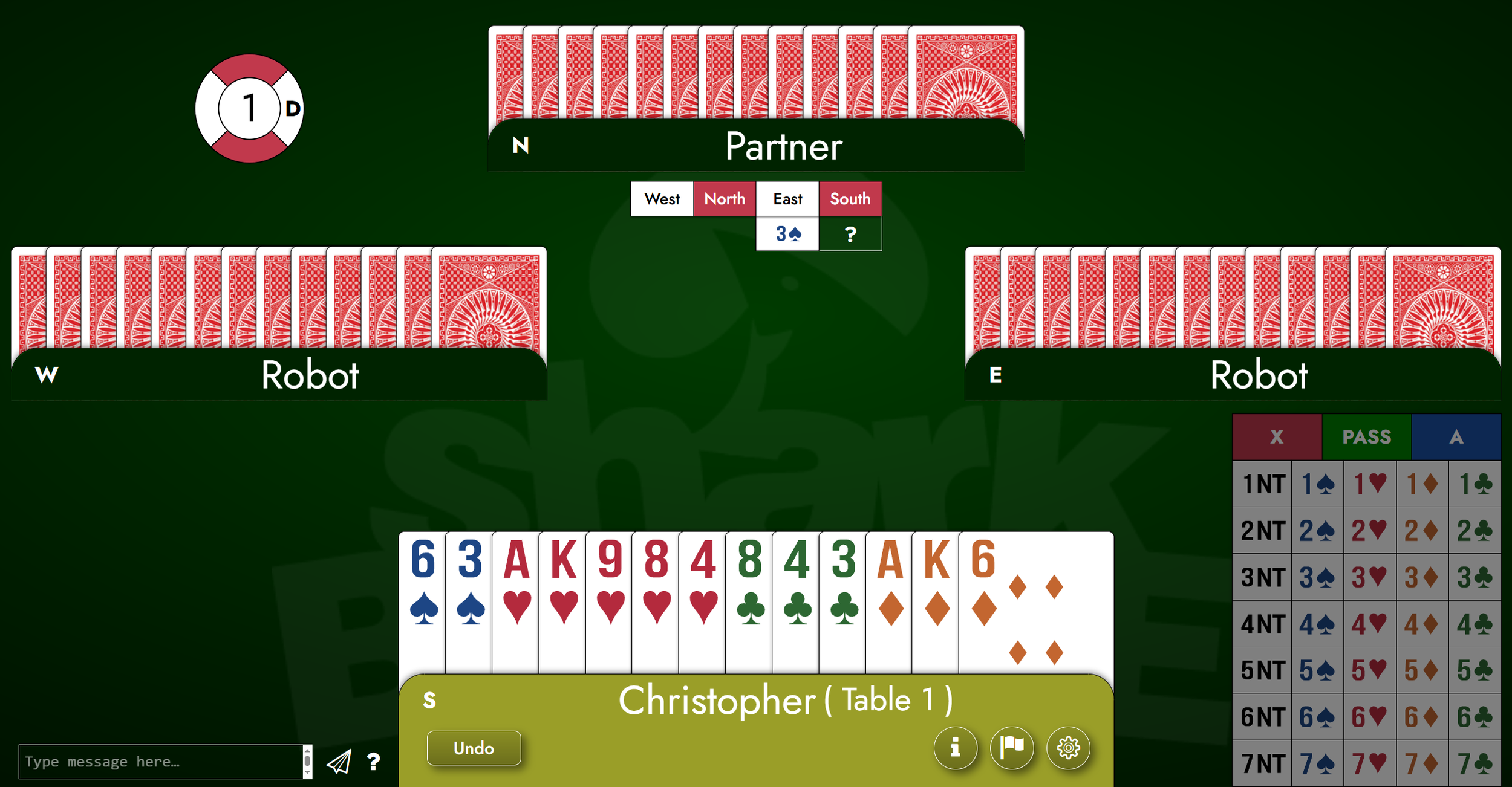
You are vul against not, and RHO opens 3♠. Do you bid? Getting to games is too important at imps to be afraid of bidding. The best course is probably double, so naturally I chose 4♥. LHO bids 4♠ and partner offers 4NT. RHO passes to you. Is partner’s bid keycard, or is it takeout to the minors? Either interpretation is reasonable, but it’s better to know in advance. My partner and I had not discussed this particular auction. I bid 5♦ in case partner is interested in the minors. Partner raises to 6♥.
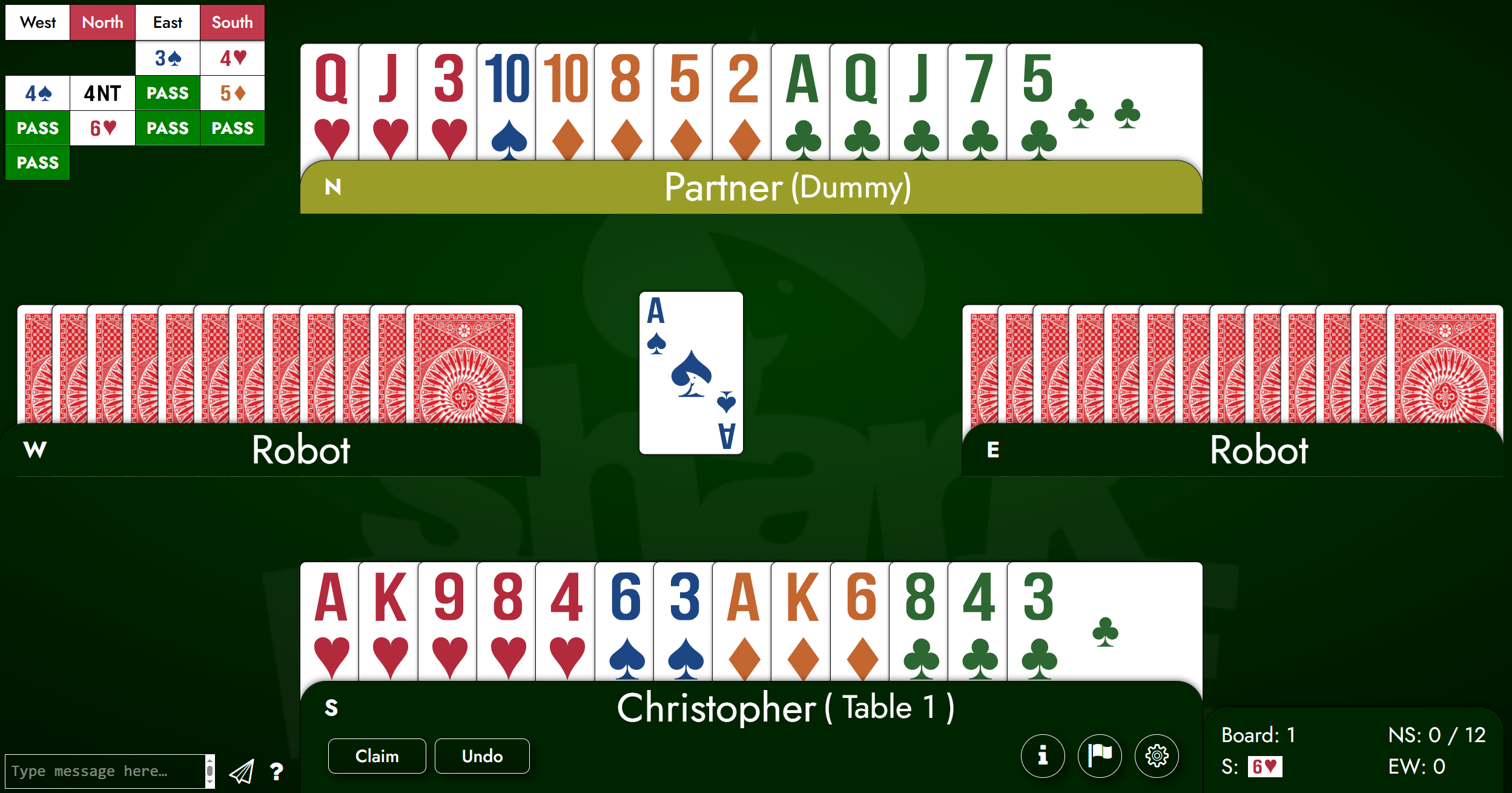
LHO leads the ♠A, and you see the dummy. Obviously, you have no choice on this trick but to follow from the dummy, and play small from your hand. RHO plays the ♠2. LHO now shifts to the ♥2.
What now? I need to ruff a spade, and finesse in clubs several times. I am afraid of a bad break in hearts, and without the 10, I have limited entries to hand to do what I want to do. The correct play is to follow low from the dummy, and promote the ♥9 in hand one way or the other. This would protect against a 4-1 break in hearts just as well as being able to play the four top hearts. Furthermore, I would be in hand on trick two to begin my work on the club suit.
Despite the logic of this line, I choose to win with the ♥Q in dummy instead. I was blinded by the idea that I had to ruff a spade with the little heart in dummy, so I help on to that little heart. When I win with the ♥Q, RHO follows with the ♥6, and I play low from hand. Winning the Q hasn’t accomplished much. I need to be in my hand. I now play a diamond to my ♦A with ♦9 played on my right, and the ♦3 on my left. I ruff my remaining spade, seeing the 4 appear from my left and the 5 from my right. I play the ♥J, and thankfully both opps follow—RHO plays the 7 and LHO the 5. At least hearts broke evenly, but I am again stuck in dummy, when I want to be in hand. Also, I still can’t count 12 tricks. I cross to the ♦K, seeing the ♦J appear on my right (!) and the ♦4 on my left. The ♥A pulls the last heart from my RHO(!) with LHO pitching the ♠J. The hand is not what I expected. RHO, the preempter, has shown up with three hearts and two diamonds in addition to their expected seven spades. Even so, I have left myself in a terrible position. Even is the ♣K is onside, LHO has too many clubs, and I have disconnected my hand from dummy. I can take one finesse, but that isn’t enough. It looks like I have played myself into down one. Do you see a way out? Remember the Rabbit.
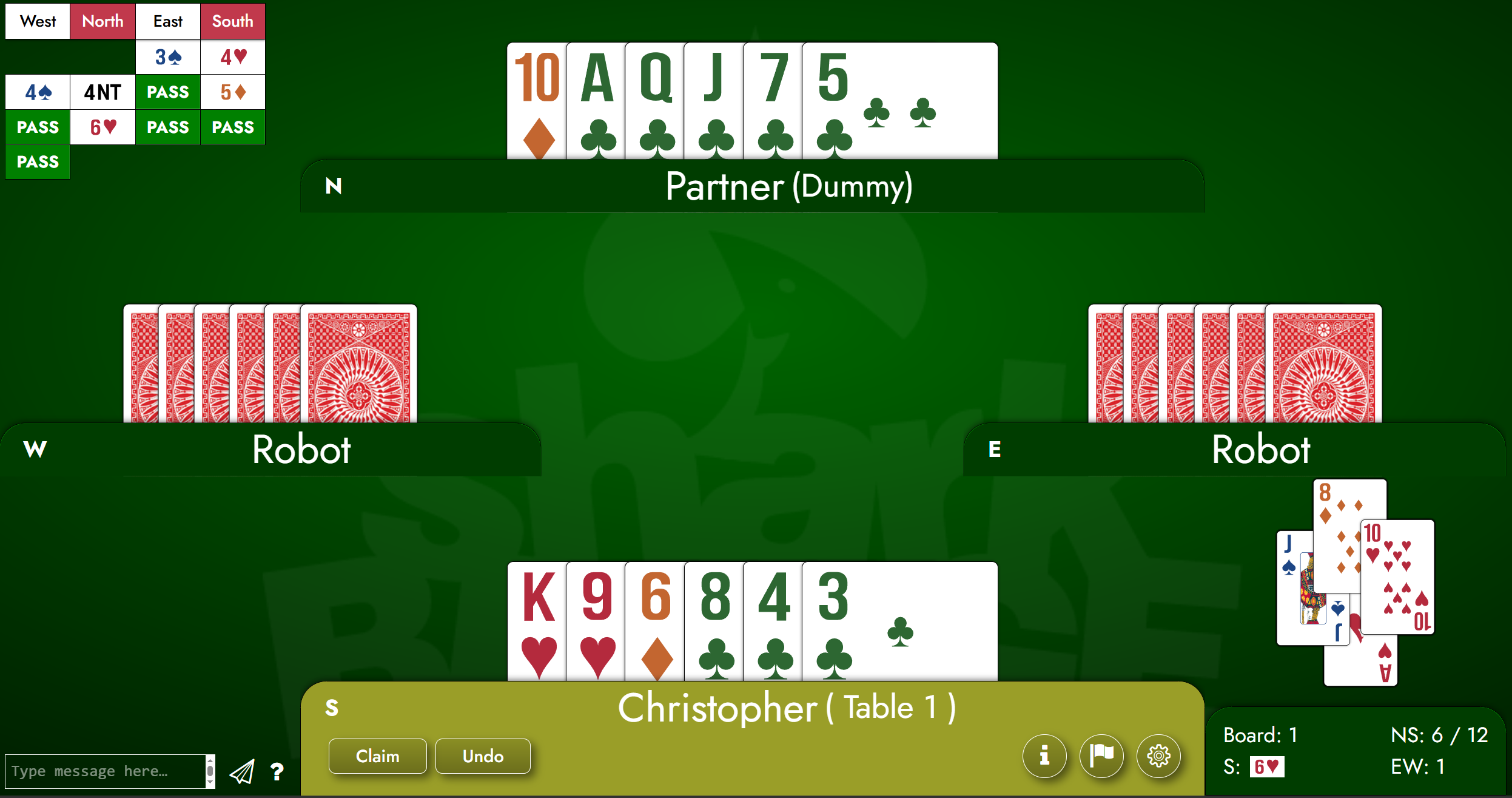
RHO has shown three hearts (an honest count) and two diamonds (presumably an honest count when the J dropped). I think he must be 7321. If the ♣K is singleton (a Kingleton!) in RHO, then the important club is not the K, but the ♣10, and that, along with the other diamonds, are in LHO. A squeeze has developed against LHO. West holds both of the cards that beat my potential winners, but on each trick, West, of course, must play a card. Watch what happens as I play the two winning cards I still have in hand. West must choose a discard before I choose a discard. That is the squeeze.
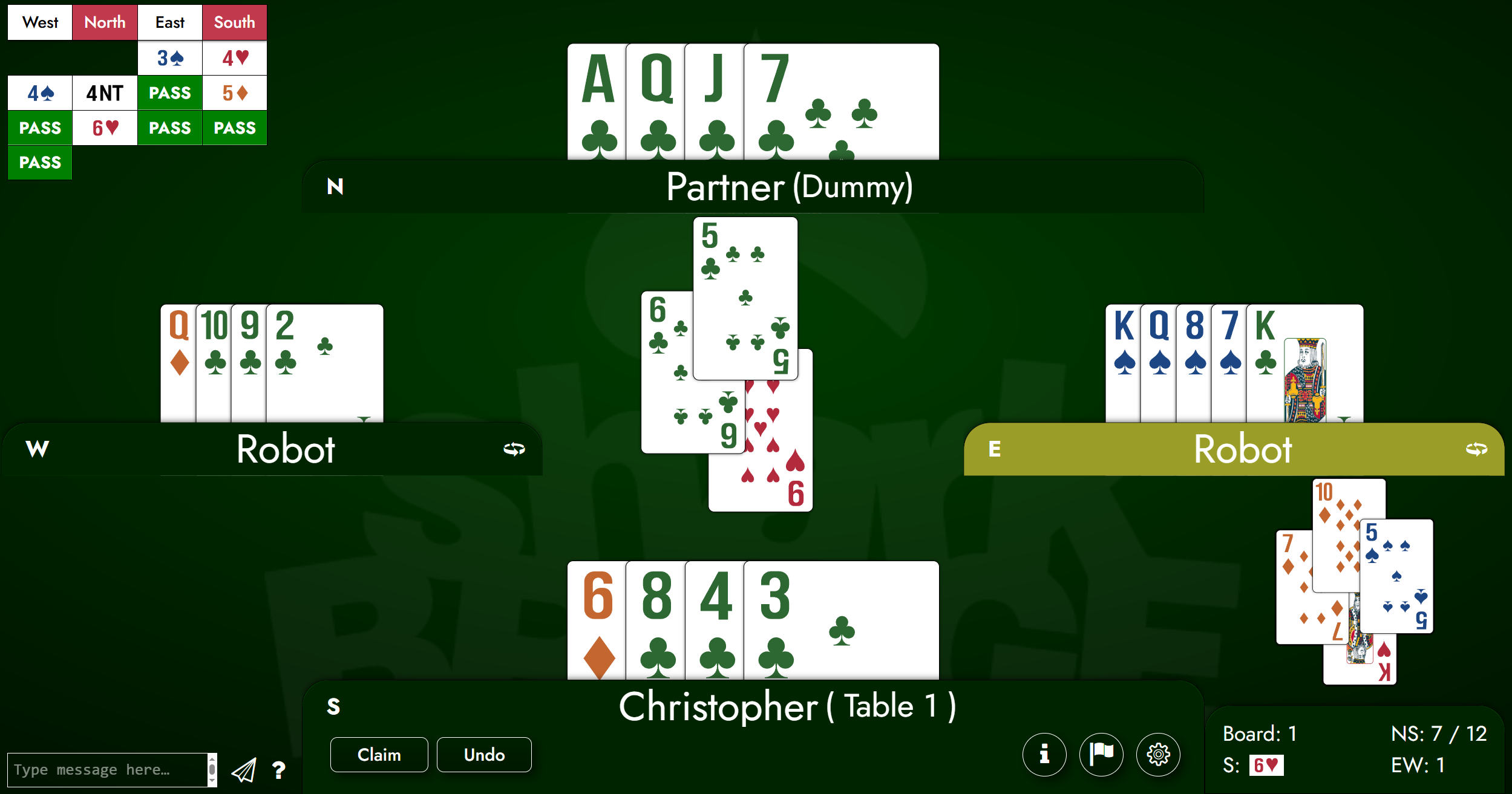
When I play the ♥K, West has an easy discard (their second to last diamond), but when I play the ♥9, the squeeze happens (see the diagram to the right). If West discards their last diamond, they promote my diamond to a winner. If they discard a club, they leave themselves with too few clubs to matter. In that case I will simply play the ♣A (dropping the singleton ♣K) followed by the ♣Q and ♣J and all of my clubs will now be good. In fact, that is what LHO actually chose. Twelve tricks risen like the Phoenix from the ashes of blundered declarer play.
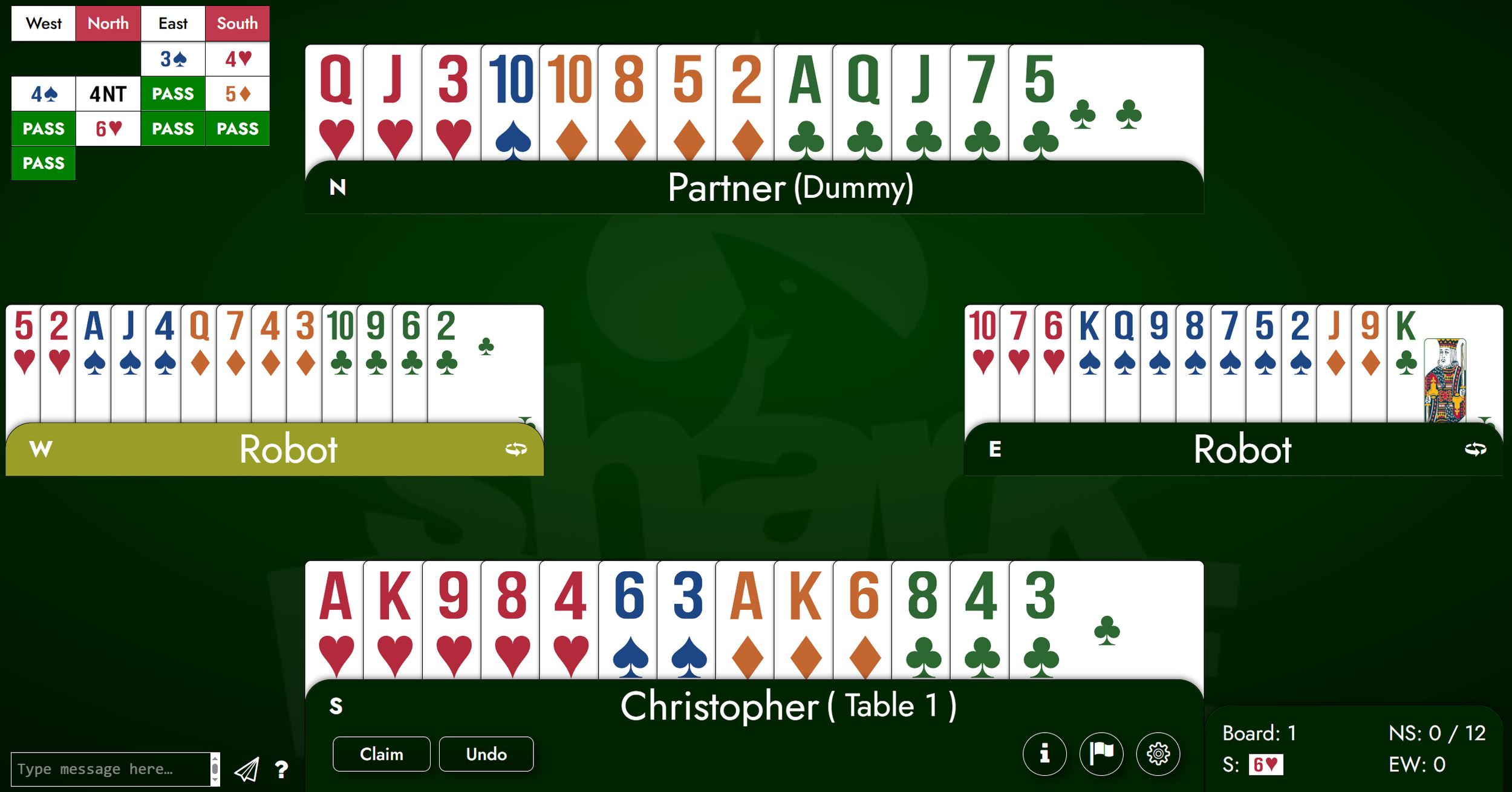
Why is this a Rabbit hand? Why am I so critical of my own declarer play when in fact I found the line for 12 tricks? The expected lie of the cards is that the ♣K is in LHO’s hand. There is simply four times as much room for the K to be among LHO’s clubs. Furthermore, as long as the hearts are 3-2, then I have plenty of entries to take multiple finesses in clubs. The “expected” lie of the cards means I only need to do “normal things” to make this hand. By failing to do “normal things” at trick two, I forced myself to play for an unusual lie of the cards to get out of the situation I had created. Yet I found that the actual lie of the cards matched what I needed, not what I should have expected. Like the Rueful Rabbit, it is better to be lucky than good.
