
When the Rules Don’t Work, Break Them!
As anyone familiar with it knows all too well, bridge is a game of rules. It is also a game of exceptions, which can sometimes be frustrating for the student who’s put a lot of effort into learning the rules. What I tell people in this position is that learning bridge is a lot like learning a new language. If you recall studying a language at any point in your life, when it came to grammar, spelling, syntax, you learned examples of rules. Such an already daunting task would have been impossible if you learned all the exceptions concurrently with the rules. Instead, you first learned the rules, and then learned to recognize the cases where the rules should be broken. The same thing holds true for bridge!
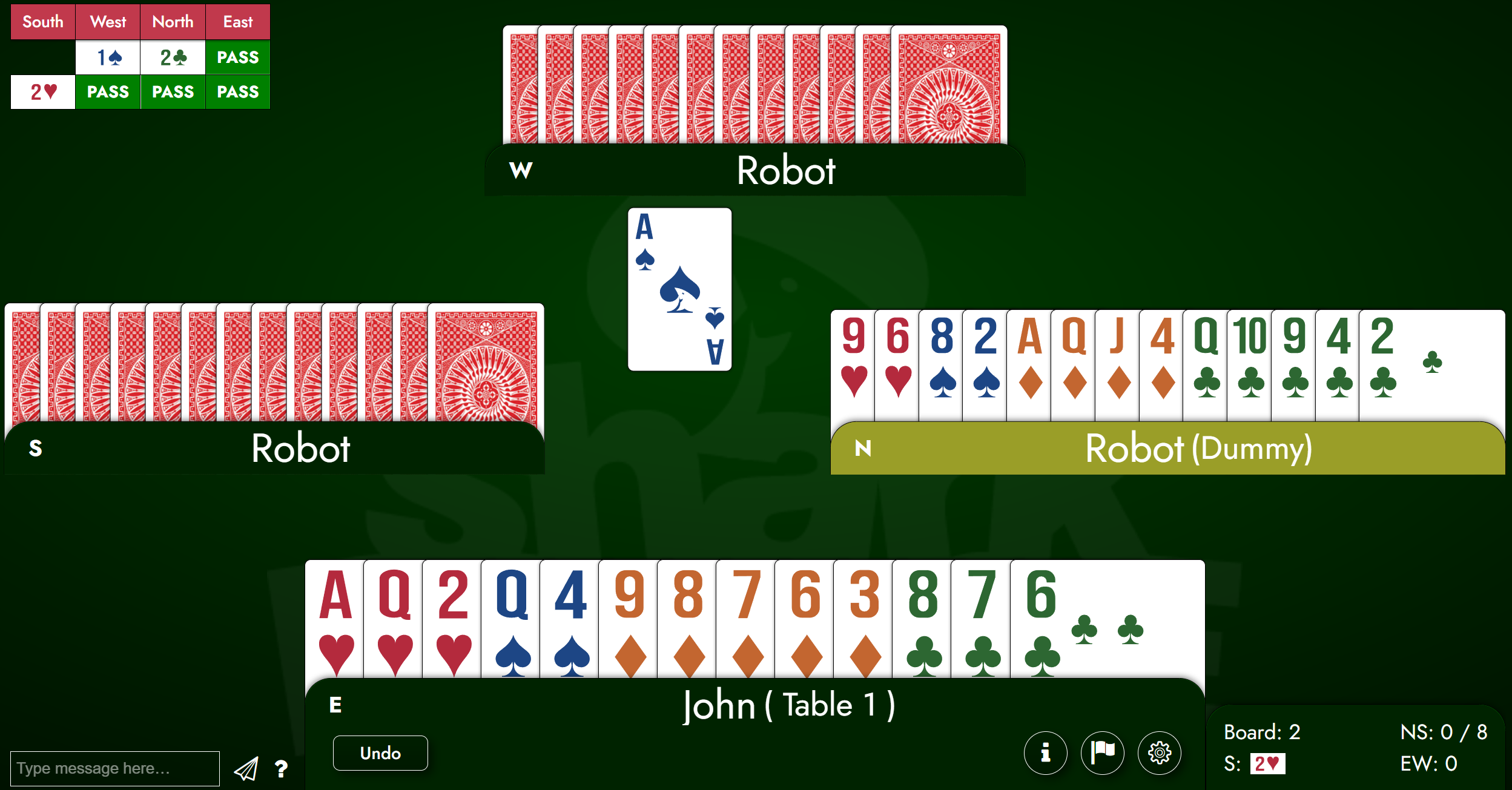
Playing with a student, I found myself in a rule-breaking situation on a hand where I was playing defense against 2 hearts after my partner had opened 1 spade. (As an aside, dummy’s 2C overcall was insane, but that’s not why we’re here.) Partner led the ace of spades and continued with the king, dropping my queen. Her best continuation would have been another spade, as I would have been able to overruff dummy, but she chose a heart. I won and played another heart; declarer gave this some thought before playing the king. Declarer then played the king of diamonds from her hand and overtook it with the ace to continue with the queen and jack of diamonds, on which she threw two spades. She then played a club to the king and my partner’s ace, and partner continued with the jack of spades in the position below.
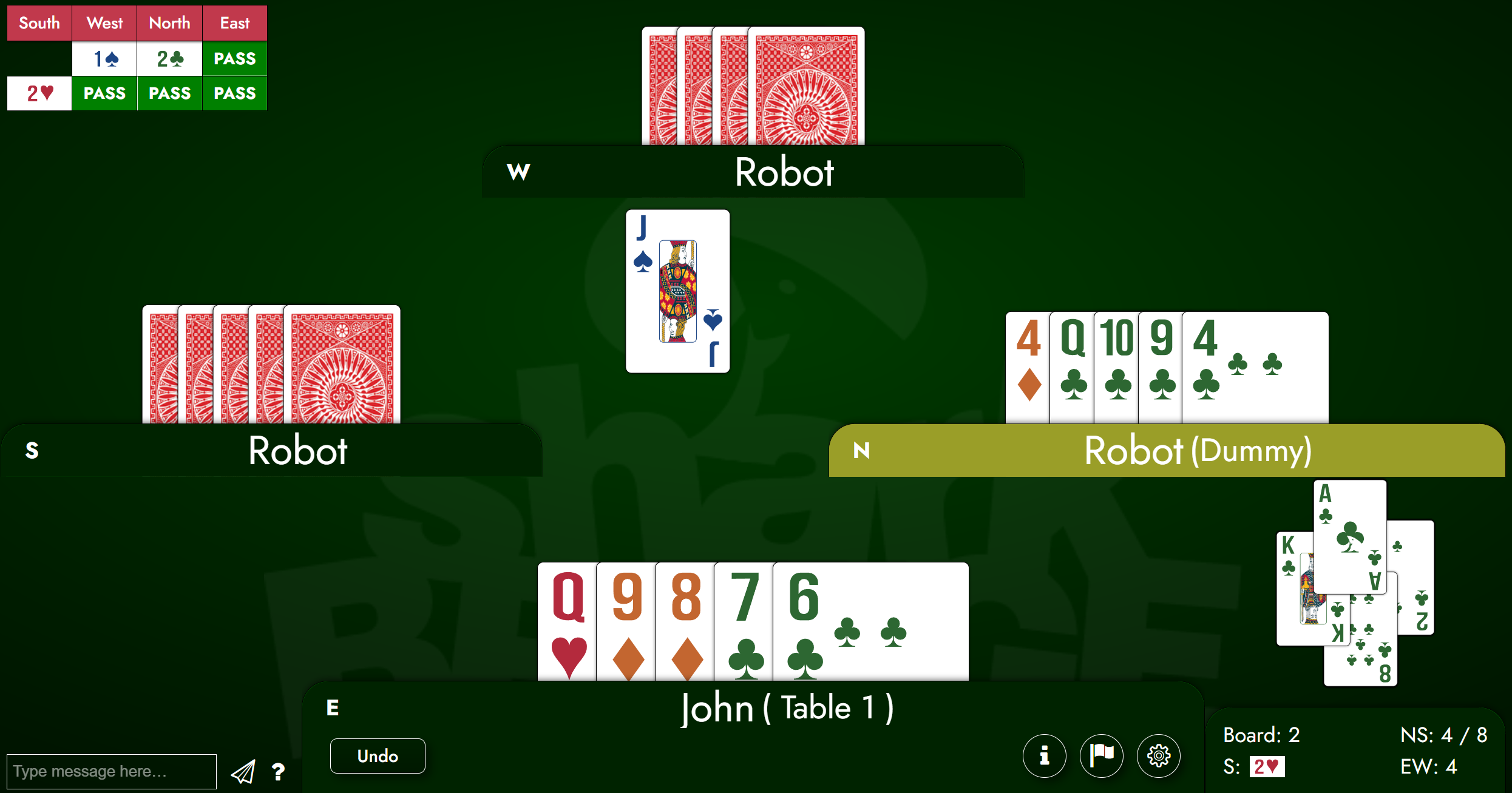
To recap, at this point our side had taken 2 spades, 1 heart, and 1 club, and my queen of hearts was high, so we needed one more trick to defeat the contract. According to general rules, I shouldn’t have much to think about here. Since partner opened a spade, showing 5, I knew declarer was now out of spades, so it doesn’t seem like ruffing would help me, and why should I ruff with my high trump when that would just allow declarer to pitch a loser from her hand? Ruffing partner’s high card with a master trump is definitely a violation of general principles. But here, general principles weren’t good enough. I knew that declarer started with 4 spades and 1 diamond, and she had to have at least 5 hearts for her bid, but she couldn’t have more than 6, since I had 3 and dummy and partner had shown up with 2. So either declarer had started with 4-6-1-2 shape, or 4-5-1-3 shape. If they had the first distribution, the queen of hearts would be the defense’s last trick. But what about the second? That would mean partner still had a trump. I also knew that partner had started with 3 diamonds; I originally had 5, dummy 4, and declarer 1. 3 rounds of diamonds had already been played, so partner had to be out. So if I discarded on this trick, declarer could ruff and play a heart, to which my partner and I would have to play our trumps on the same trick. But if partner had the jack of hearts, or the 10, we could get an extra trick if I ruffed and returned a diamond. The full deal:
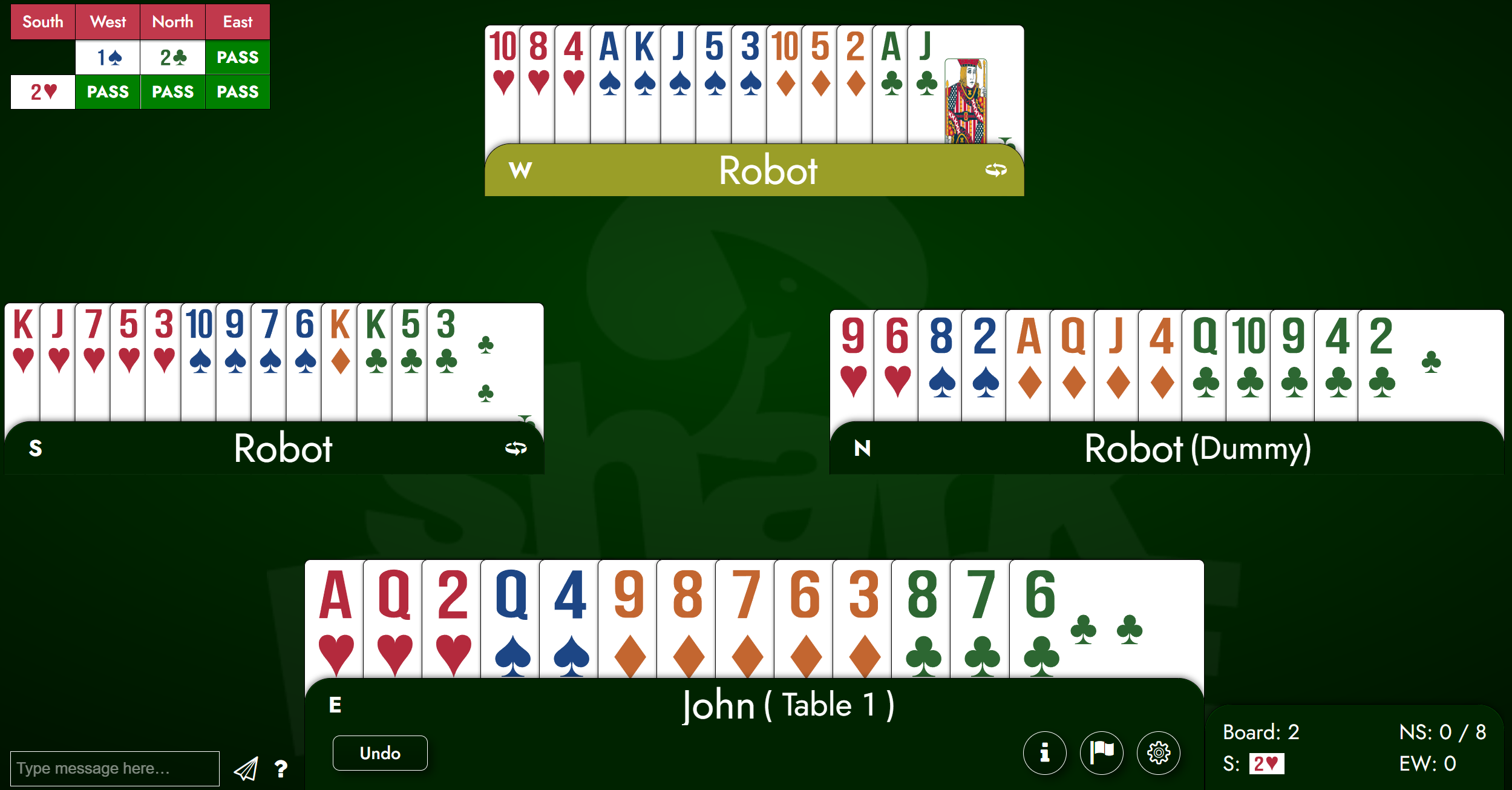
When I played the diamond, declarer had no good answer; if she ruffed low, partner could overruff with the 10, and if she ruffed with her jack, partner would discard and her 10 would be good. Of course, without counting the distribution carefully I wouldn’t have found this play. But the wider point remains: When the rules don’t work, you break them!